
Built for Aging Dam and Hydroelectric Assets
Much of Canada’s dam and hydroelectric concrete is decades old and showing the effects of freeze-thaw cycling, abrasion, constant water exposure and, in some cases, alkali-aggregate reaction. Rehabilitating it means removing only the concrete that has failed while protecting the structure that stays in service.
Hydro demolition does that with high-pressure water instead of the repeated mechanical impact of breakers or jackhammers. This can significantly reduce impact-related vibration and minimize the risk of bruising or microcracking in the remaining concrete, giving the repair a sound, well-prepared substrate.
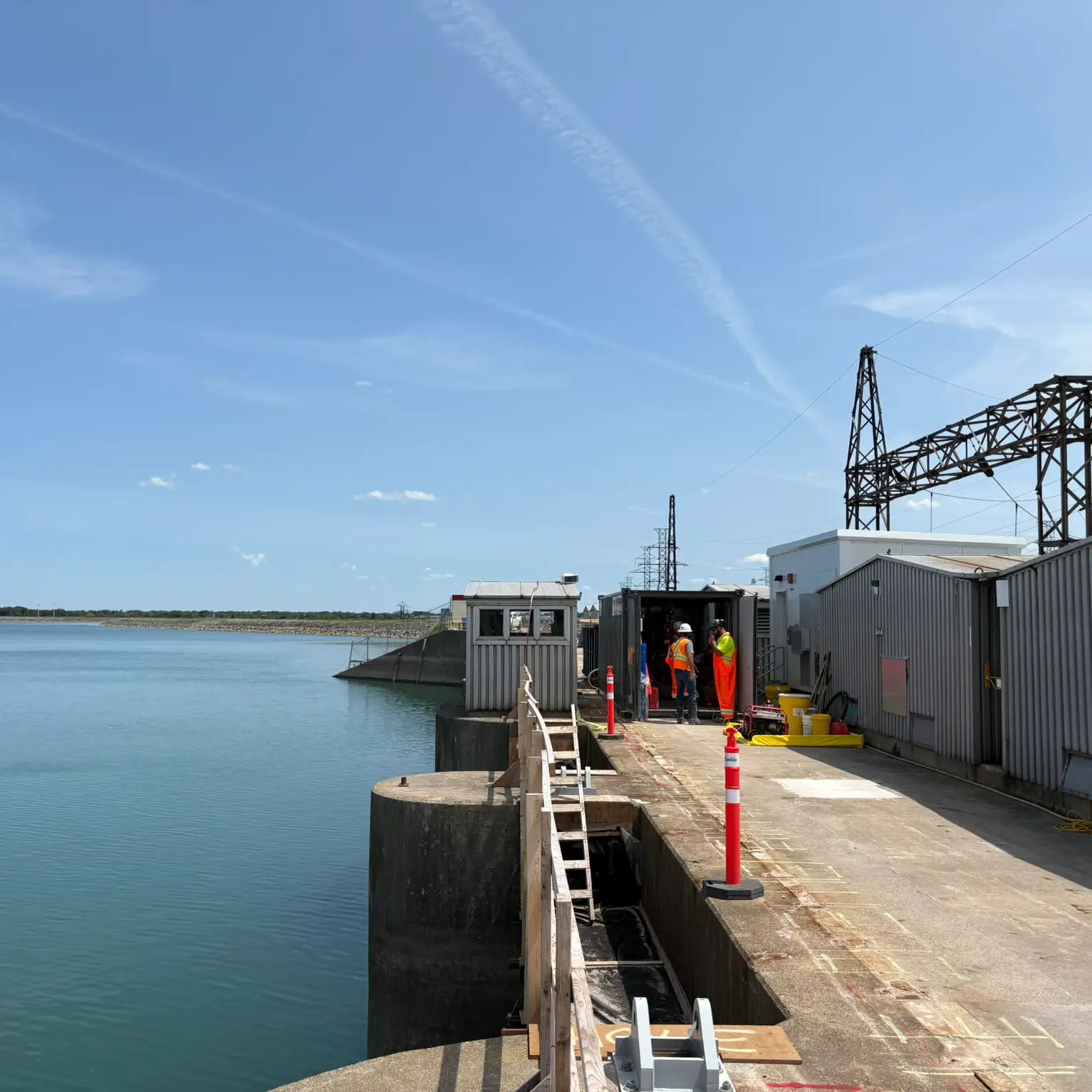
Structures We Work On
Spillways and training walls:
chute slabs, walls and surfaces exposed to high-velocity flow
Dam faces and mass concrete:
removal of deteriorated surface concrete to sound material
Intake structures:
confined areas with embedded guides, gate components and trash rack steel
Powerhouse concrete:
work near operating equipment, with significantly less impact-related vibration and airborne dust than conventional methods
Piers, abutments and substructures:
selective removal around dense reinforcing and bearing areas
Why Owners and Engineers Specify Hydro Demolition
Selective removal:
equipment parameters adjusted to target deteriorated concrete while preserving sound concrete
Reinforcing steel protected:
concrete removed around and behind the bars with reduced risk of mechanical damage, while corrosion is cleaned from exposed steel
Better repair bond:
a rough, clean surface profile ready for new concrete or repair mortar
Controlled depth:
removal tuned to the engineer’s specified profile and verified through inspection
Safer crews:
remote-controlled equipment keeps operators back from the removal zone and away from vibration, noise and silica dust
Water Treatment Near Rivers, Reservoirs and Tailraces
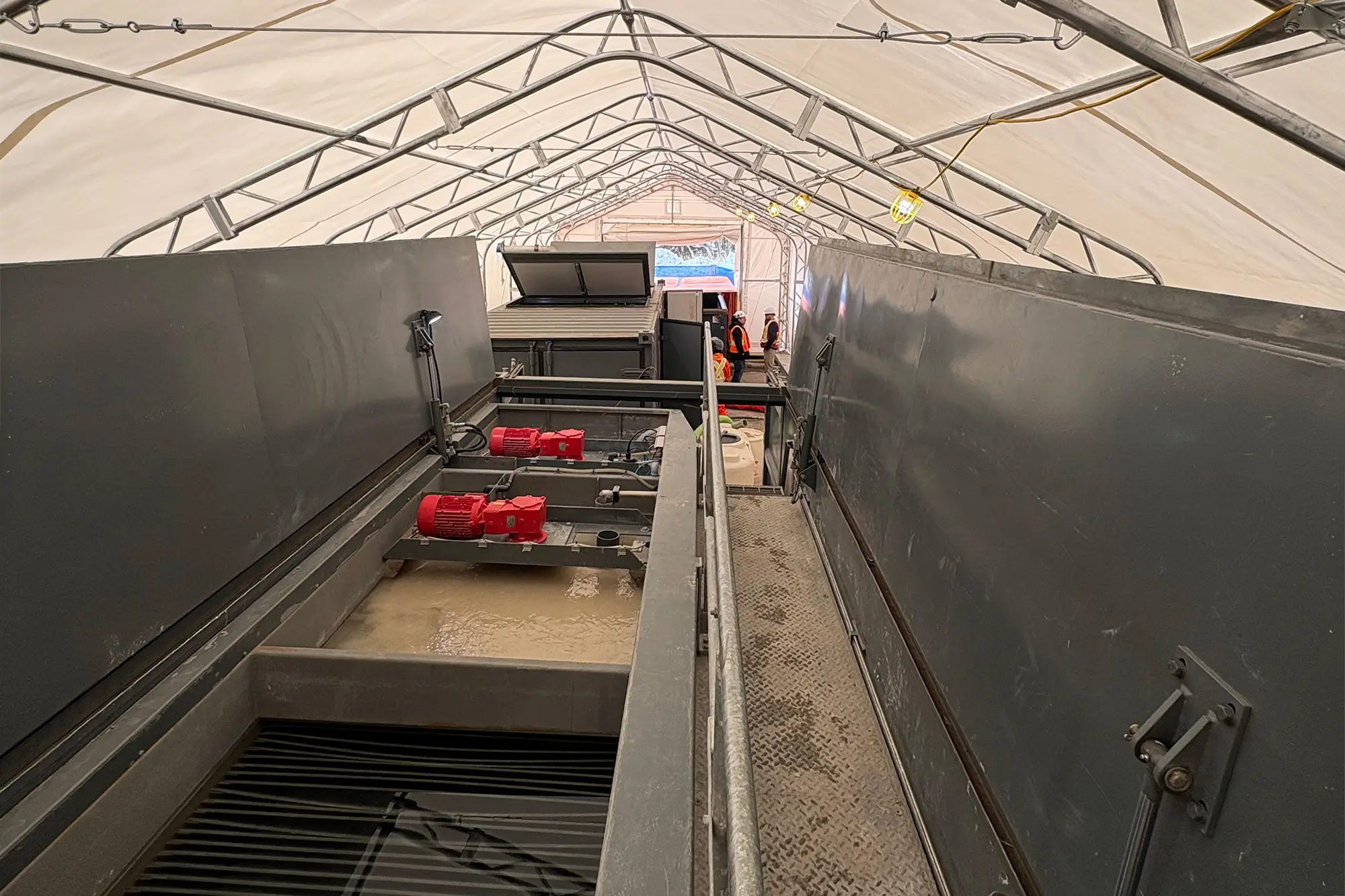
Hydro demolition runoff carries concrete fines and has a high pH, and on a dam it’s working right beside a waterway. CDGI’s equipment platform combines robotic hydro demolition with on-site water treatment and recycling, supporting slurry collection, solids separation, filtration and water reuse. Containment, treatment, recycling and discharge arrangements are developed around each project’s conditions, owner requirements and applicable environmental regulations.
See our water treatment capabilities.
Where CDGI Fits on Your Project
The owner manages dam safety and the engineer of record sets the design and removal limits. CDGI’s role is to execute controlled removal and water management within that framework, and to bring practical input on methods, access and sequencing.
During planning: constructability input on removal methods, access, staging, water management and sequencing around outages and flow releases
During execution: controlled hydro demolition, robotic demolition and concrete cutting, with on-site water treatment
Through closeout: documentation including removal records, photo records and water treatment logs
Resources for Dam and Hydroelectric Teams
Read our technical article, Hydro Demolition for Dam and Spillway Rehabilitation: What Owners and Engineers Should Consider, or our guide on what public-sector infrastructure owners should require from a hydro demolition subcontractor.
Contact Us
Planning a Dam or Spillway Rehabilitation?
Talk to our team about your project. We’re happy to provide input early, during design or constructability review.
Call 289-232-6566or use the form to get a quote.