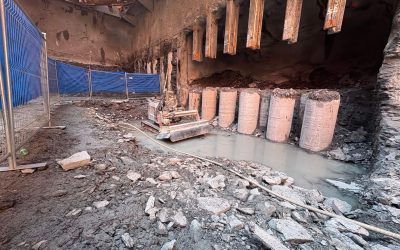
Much of Canada's dam and hydroelectric infrastructure was built decades ago, and a growing share of it is now due for rehabilitation. After years of freeze-thaw cycling, abrasion, constant moisture and, in some cases, alkali-aggregate reaction, spillway surfaces,...
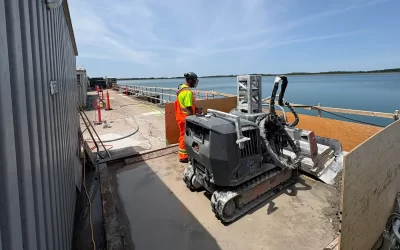
Hydro Demolition and Worker Safety: A Safer Alternative to Jackhammers and Impact Tools
Worker safety has always been a central concern in demolition and construction. Traditional concrete removal methods such as jackhammers and pneumatic breakers expose workers to several well-known hazards, including vibration-related injuries, airborne silica dust, and prolonged noise exposure.
Why Structurally Sensitive Infrastructure Projects Demand Hydro Demolition
Not all concrete removal methods are suitable for critical infrastructure. In many rehabilitation projects, the challenge is not simply removing deteriorated concrete; it is removing it without compromising the structure that must remain.
Hydro Demolition: Protecting Structural Steel in Bridges, Dams, and Tunnels
Hydrodemolition, which utilizes high-pressure water jets to remove damaged concrete, has quickly become a preferred method for concrete rehabilitation. Here’s a look at the key advantages of hydrodemolition and how it contributes to more sustainable concrete rehabilitation.
Safer, Smarter Demolition: How Controlled Demolition Group Elevates Safety with Hydro Demolition
Hydrodemolition, which utilizes high-pressure water jets to remove damaged concrete, has quickly become a preferred method for concrete rehabilitation. Here’s a look at the key advantages of hydrodemolition and how it contributes to more sustainable concrete rehabilitation.
Understanding the Fundamentals of Controlled Demolition
Controlled demolition has emerged as a specialized field that ensures the safe and systematic dismantling of structures, whether for renovation, reconstruction, or complete removal.